
Last updated September 25, 2026
ADU Design & Permitting Maintenance Checklist for Westchester Homeowners
Most ADU checklists floating online are generic to-do lists copied between national blogs. They won’t tell you that LADBS requires a Final Inspection Card posted on-site before your final walk - a physical document, not digital, that costs you a re-inspection fee when the wind blows it off a fence in Westchester’s afternoon sea breeze. We’ve reviewed dozens of these lists against the actual permit files of 900+ ADUs we’ve designed, permitted, and built since 2015 through our ADU Design & Permitting services. This guide organizes what actually matters into three living phases: permit, construction, and post-occupancy, with the specific LADBS form numbers, DWP clearance deadlines, and annual maintenance triggers that protect your investment long after the Certificate of Occupancy is issued.
Quick Answer
An ADU maintenance checklist for Westchester homeowners spans three distinct phases: permit-phase documentation (soils reports, Title 24 compliance, LADBS plan check corrections), construction-phase inspections (framing, MEP rough-in, insulation, final with posted Inspection Card), and post-occupancy compliance (annual smoke detector certification, rental registration under LA’s RSO if applicable, and retained permit records for resale). For deeper guidance, see our resource on ADU Permits, Codes & Inspections in CA: What You Need to Know. Missing any phase creates liability at refinance or sale that title companies routinely flag.
Table of Contents

- Permit-Phase Checklist: Design Milestones & LADBS Forms
- Construction-Phase Checklist: Inspections & On-Site Documentation
- Post-Occupancy Maintenance: Protecting Legal Status & Asset Value
- What to Keep Forever vs. What to Discard After Close
- How Documentation Gaps Become Resale & Refinance Liabilities
- Prefab & Modular ADUs: Additional Checklist Items
- Common Mistakes to Avoid
- When to Call a Professional
- Frequently Asked Questions
Permit-Phase Checklist: Design Milestones & LADBS Forms
The permit phase is where most Westchester ADU projects stall, and it’s rarely because of design ambition. It’s because homeowners don’t know which document triggers which deadline, or which LADBS form number to reference when calling for status.
Design Milestones (Pre-Application)
- Soils report trigger: For any detached ADU in Westchester, LADBS requires a geotechnical soils report if your lot slopes more than 5% or shows fill soil on the assessor’s map. We’ve seen this add 3-4 weeks to pre-application. The report must be prepared by a California-registered geotechnical engineer and submitted with your preliminary site plan. If you’re converting an existing garage, the soils report is typically waived unless you’re adding square footage beyond the existing footprint.
- Title 24 energy compliance: California’s Building Energy Efficiency Standards apply to all ADUs. For Westchester’s mild coastal climate (Climate Zone 6), prescriptive compliance paths are usually achievable with standard insulation packages. However, if you’re specifying high-performance envelopes from Dvele or Cover systems, the performance compliance path often yields better glazing ratios. Your energy consultant must sign the CF-1R form, which attaches to your permit set.
- Utility capacity letters: Before LADBS accepts your application, DWP must confirm electrical service capacity and the Bureau of Sanitation must confirm sewer lateral capacity. In Westchester, many 1940s-1960s homes have 100-amp main panels. A detached ADU with electric heat, water heater, and cooking load typically requires a 200-amp upgrade. Request the capacity letter early; DWP’s response time in our experience runs 10-15 business days.
- Fire department clearance (if applicable): Detached ADUs within 10 feet of property lines in high-density zones require LAFD review. Westchester’s R-1 and R-2 zones vary by block; check your specific zone with LADBS Zoning Information.
LADBS Forms to Track
| Form | Purpose | When Required |
|---|---|---|
| PCIS (Plan Check Information System) printout | Tracks plan check status and correction cycles | At application; check weekly online |
| Form 01-GEN-100 | General application for building permit | Initial submission |
| Form 01-ACC-100 | Accessibility compliance certification | All ADUs with living/sleeping/bath |
| CF-1R | Title 24 energy compliance documentation | With permit set, signed by energy consultant |
| DWP electrical service clearance letter | Confirms panel capacity for added load | Pre-application |
| Bureau of Sanitation sewer clearance letter | Confirms lateral capacity | Pre-application |
| Zone Information and Map Access System (ZIMAS) printout | Confirms zoning, height district, and overlays | Pre-application; verify before design |
Under our ADU Design & Permitting process, we generate and track all of these forms as part of the permit set deliverable. The Haven Standard, Clause 3 (Permit Accountability), requires us to log every correction cycle and response deadline in writing, with copies to the homeowner.
Plan Check Corrections
LADBS plan check for ADUs in Westchester typically runs 4-6 weeks for initial review, then 2-3 weeks per correction cycle. Most projects require one correction cycle; complex hillside lots or non-conforming structures may need two. The correction letter references specific code sections - CBC, CEC, or local ordinances. We respond to corrections with marked drawings showing exactly where each item was addressed, not a narrative summary. This reduces second-cycle delays.
Key deadline: You have 180 days from the date of each correction letter to respond. After 180 days, LADBS expires the application and you restart with new fees.
Construction-Phase Checklist: Inspections & On-Site Documentation
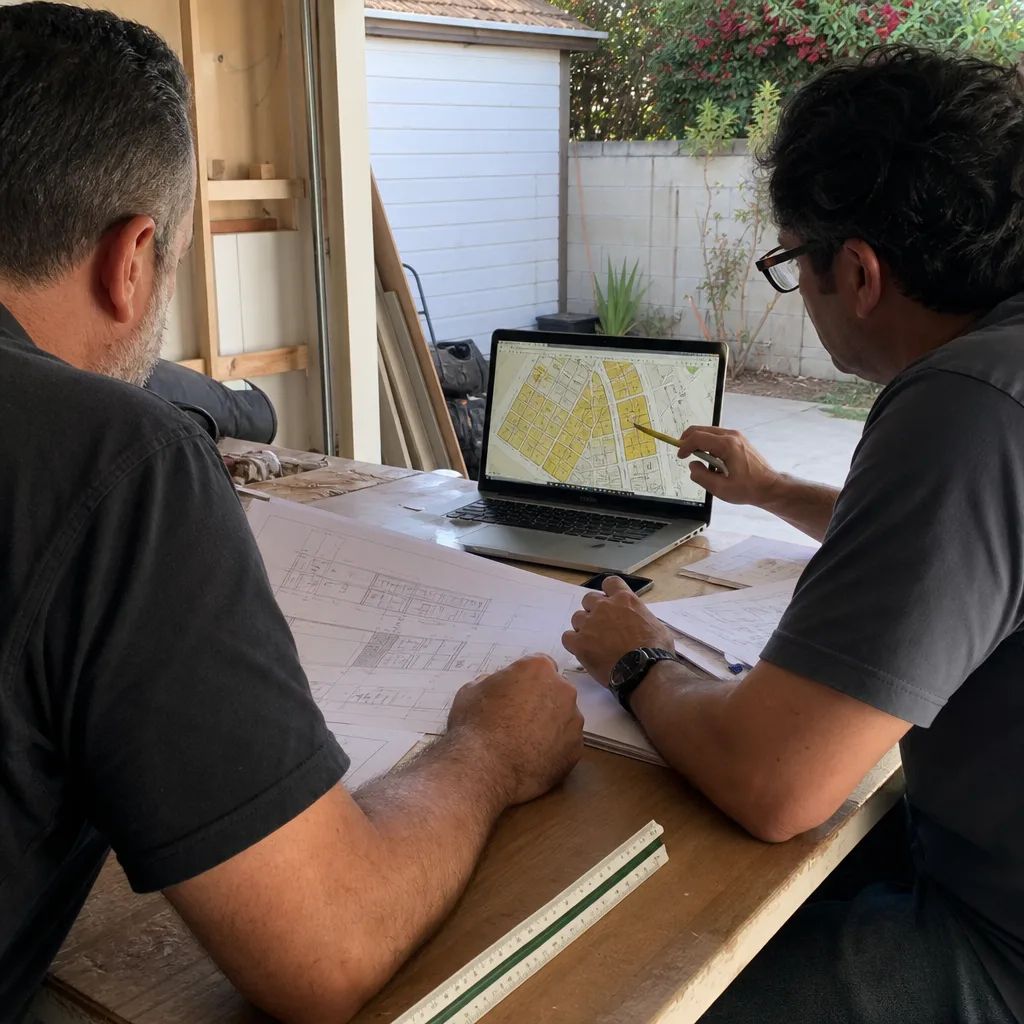
Construction inspections are where the paper trail meets the physical build. LADBS inspectors in Westchester’s District Office (714 W. Olympic Blvd) schedule through the Automated Inspection Request system. Here’s the sequence that keeps your project moving.
Required Inspection Sequence
- Foundation/Slab inspection: For detached ADUs, this confirms footing depth, rebar placement, and slab thickness per structural drawings. For garage conversions, the existing slab is verified for thickness and condition. We’ve found Westchester garage slabs from the 1950s-70s are often 3.5-4 inches - acceptable for conversion if crack-free and properly sloped, but requiring a moisture barrier and new floating floor system.
- Framing inspection: Verifies wall framing, header sizes, hold-downs, and shear wall nailing patterns. The inspector will have your structural drawings on a tablet; discrepancies trigger a correction notice.
- MEP rough-in inspection: Mechanical, electrical, and plumbing systems before close-in. For ADUs with mini-split heat pumps (common in Westchester garage conversions), the refrigerant lines, condensate drain, and electrical disconnect must all be visible. Electrical panels require arc-fault and ground-fault protection per 2023 NEC.
- Insulation inspection: Confirms R-values and installation quality before drywall. Title 24 compliance is verified here; if your CF-1R specified high-performance insulation, the inspector checks the labeled product against the spec.
- Drywall/nail inspection: Fastener schedule and fire-taping of seams.
- Final inspection: The comprehensive review. Here’s where the Final Inspection Card becomes critical.
The Final Inspection Card (LADBS Form 01-INS-100)
This is the detail missing from every national ADU checklist we’ve reviewed. LADBS requires the Final Inspection Card to be physically posted on-site, visible from the street, before the inspector arrives for final walk. Not in your hand. Not in a folder. Posted.
Westchester’s afternoon sea breeze, which picks up reliably after 2 PM, has blown more than one card off a fence or garage door - a hazard we detail in our ADU Warning Signs: A Westchester Homeowner’s Reference Guide. When the inspector arrives and the card isn’t posted, it’s a failed inspection. The re-inspection fee in 2025 is $173 for residential projects. Worse, you reschedule at the back of the queue, typically 5-7 days out.
We laminate the card and secure it with weatherproof fasteners at a height visible from the sidewalk. It’s a small detail that saves real money and time.
Certificate of Occupancy
After final inspection approval, LADBS issues the Certificate of Occupancy (CO). This is not automatic; you must request it through PCIS. The CO is the legal document confirming your ADU is approved for occupancy. Without it, you cannot legally rent the unit, and title companies will flag the property as non-conforming at sale.
Processing time for CO issuance in Westchester: 2-4 weeks after final approval, in our experience. We track this and confirm delivery with the homeowner, per Haven Standard Clause 4 (Close-Out Documentation).
Post-Occupancy Maintenance: Protecting Legal Status & Asset Value
The ADU is built, the CO is issued, and the tenant has moved in. Most homeowners stop tracking documentation at this point. That’s when the slow accumulation of compliance risk begins.
Annual Smoke Detector Certification
Los Angeles requires annual certification of smoke and carbon monoxide detectors for all rental units, including ADUs. The certification form is available through the LA Housing Department. Failure to certify can result in fines and, in rent-stabilized situations, can compromise your ability to collect market-rate rent increases.
For Westchester ADUs with hardwired interconnected systems (required for new construction and substantial remodels), the annual test must confirm all detectors sound simultaneously. Battery-only units in existing structures converted to ADUs have different requirements; check your specific approval conditions.
Rental Registration Under LA’s RSO
If your ADU is rented and your property falls under the Rent Stabilization Ordinance (RSO), you must register the unit annually. Westchester has mixed RSO coverage; properties built before October 1978 with two or more units are generally covered. Single-family homes with ADUs added after 2020 have specific exemptions, but the registration requirement still applies for tracking purposes.
Unregistered RSO units cannot receive legal rent increases and may face penalties. The registration fee is modest; the liability of non-compliance is not.
Utility Sub-Meter Calibration
If your ADU has a sub-metered electrical or gas account (common for detached units where the main house retains the master meter), the sub-meter requires periodic calibration. DWP does not mandate a specific schedule, but we recommend biennial verification against the master meter. Drift of more than 2% indicates replacement need.
For water, if you’re on a single meter with allocation by square footage (a common setup for Ellery ADU Studio Westchester home projects where separate water meters are cost-prohibitive), document your allocation methodology in the lease. Disputes over water bills are a frequent source of tenant conflict.
Structural & Systems Maintenance
- Foundation drainage: Westchester’s clay-heavy soils expand and contract with seasonal moisture. Ensure downspouts discharge at least 6 feet from the ADU foundation; check annually after winter rains.
- Exterior envelope: For James Hardie siding installations, inspect caulked joints every 2-3 years. Coastal salt air accelerates degradation at trim interfaces.
- HVAC filters & mini-split maintenance: Quarterly filter cleaning; annual coil inspection. Salt air corrodes outdoor condenser fins faster than inland locations.
- Window & door weatherstripping: Replace when visible light shows around closed units. Energy compliance depends on envelope integrity.
What to Keep Forever vs. What to Discard After Close

Not every document from your ADU project has equal legal weight. We’ve guided homeowners through refinance and sale transactions where the difference between a 3-week close and a 3-month ordeal came down to one missing form.
Retain Permanently (Physical and Digital Backups)
- Certificate of Occupancy (original and any amendments)
- Final approved permit set (stamped drawings, including structural, MEP, and energy)
- LADBS inspection records (all passed inspection cards, signed by inspector)
- Soils report (if prepared; required for any future foundation work)
- Title 24 CF-1R and energy compliance documentation
- Final lien releases from all contractors and material suppliers
- Written contract with scope, price, and warranty terms (Haven Standard Clause 1 and Clause 7 documentation)
- 365-Day Done Right Promise documentation, including any warranty claims and resolutions
- Photographic record of construction (we provide this as part of our documented photo record on every visit)
Retain for 10 Years (Statute of Limitations on Construction Defects)
- Change orders and approved modifications
- Product warranties (HVAC, windows, appliances, roofing materials)
- Independent inspection reports (if obtained)
- Utility capacity letters and correspondence with DWP/Bureau of Sanitation
Discard After Project Close (No Ongoing Legal Relevance)
- Preliminary sketches and design iterations not in the approved set
- Vendor quotes not selected
- Permit application receipts (keep until CO issued, then discard)
- Correspondence about scheduling logistics
The key principle: anything that proves the ADU was legally built, inspected, and approved has permanent value. Anything that merely documents process can be purged on a reasonable schedule.
How Documentation Gaps Become Resale & Refinance Liabilities
This is where the checklist proves its worth in dollars. We’ve seen three specific scenarios where missing documentation created transaction-blocking problems for Westchester homeowners.
Scenario 1: The Missing Certificate of Occupancy
A homeowner in the Kentwood area of Westchester refinanced in 2022 to capture lower rates. The appraisal noted the ADU; the title search found no CO on file with LADBS. The homeowner had never requested it after final inspection. The lender required CO issuance before funding. LADBS backlogs at that time ran 8 weeks. The rate lock expired. Cost: approximately $4,000 in additional interest over the loan’s first year, plus the stress of rescheduling.
Prevention: Request the CO within 48 hours of final inspection approval. We do this as standard close-out.
Scenario 2: The Unpermitted Kitchen
A homeowner in the Westchester Villas area added a second kitchen to their ADU during construction without plan check approval, believing it was a minor change. At sale in 2023, the buyer’s inspector flagged the unpermitted work. The title company required either removal of the kitchen or retroactive permitting. Retroactive permitting for completed work requires opening walls for inspection; cost exceeded $15,000.
Prevention: No scope changes without written change order and LADBS approval. Haven Standard Clause 5 (No Surprises) locks scope at signing; any modification requires formal amendment.
Scenario 3: The RSO Registration Gap
A homeowner with an ADU in an RSO-covered Westchester duplex failed to register the unit for three years. At sale, the Housing Department required back registration plus penalties before issuing a clearance letter. The buyer’s lender required the clearance letter. Closing delayed 6 weeks; the buyer negotiated a $8,000 price reduction.
Prevention: Annual registration calendar reminder, set for 30 days before deadline.
What Title Companies and Lenders Actually Request
| Document | When Requested | Consequence if Missing |
|---|---|---|
| Certificate of Occupancy | Always, for ADUs | Loan denial or conditioned closing |
| Final approved permit set | Appraisal review, complex properties | Appraisal subject to completion; re-inspection required |
| Lien releases | Title search, always | Title insurance exception; mechanic’s lien risk |
| RSO registration certificate | Rental properties in RSO zones | Housing Department clearance required; penalties possible |
| Smoke detector certification | Rental properties, some lenders | Compliance repair escrow or denial |
Prefab & Modular ADUs: Additional Checklist Items
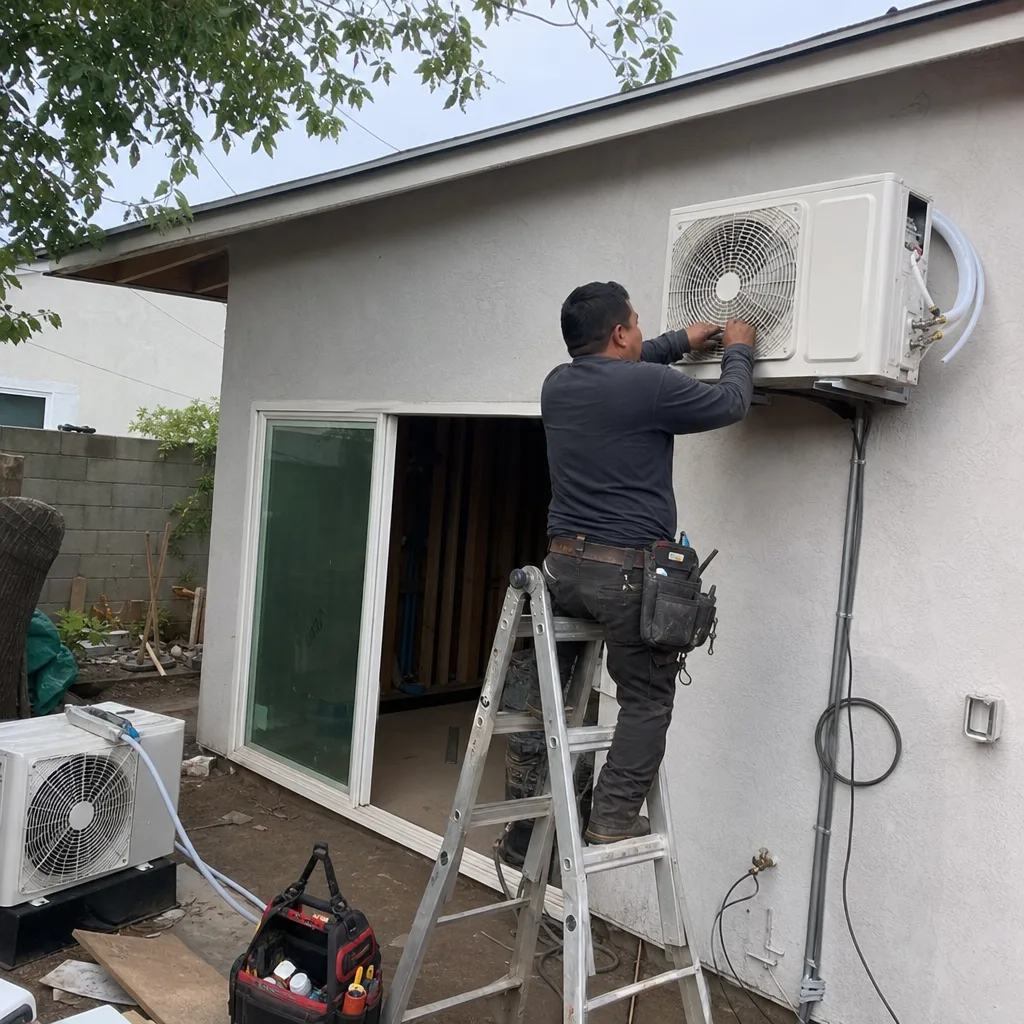
Prefab and modular ADUs introduce documentation layers beyond site-built projects. Ellery specifies and coordinates these systems - Abodu, Cover, Dvele, Mighty Buildings, Boxabl, Plant Prefab, Tuff Shed, and James Hardie - within the same single contract as our site-built work, but the checklist differs.
Factory Certification & ICC-ES Reports
Modular units must carry ICC-ES evaluation reports or equivalent third-party certification confirming compliance with California Building Code. Request these from the manufacturer before permitting begins; LADBS will not accept applications without them. For Abodu and Cover units, we’ve found ICC-ES reports are typically current and available on request. For newer entrants, verify report status early.
Transportation & Crane Permits
Delivery of a modular unit to Westchester requires Caltrans transportation permits for oversized loads, plus local street closure permits if crane placement blocks traffic. The crane permit through LADBS Bureau of Engineering requires proof of insurance, crane certification, and traffic control plans. Timeline: 2-3 weeks minimum.
Foundation Interface Documentation
Prefab units mount on permanent foundations that must be engineered for the specific unit’s load path. The manufacturer’s foundation drawings must be sealed by a California-licensed engineer and submitted with your LADBS permit set. We coordinate this as part of our design-build process; self-managing homeowners often discover this requirement after foundation excavation has begun.
Set & Finish Inspection Sequence
Modular ADUs typically require a “set inspection” after unit placement but before utility connection, confirming proper anchorage and level. This is additional to the standard inspection sequence. Confirm with LADBS whether your project needs this; most Westchester modular projects do.
Common Mistakes to Avoid
- Assuming the builder handles all permit documentation. In designer-builder split arrangements, permit tracking often falls through the gap. We’ve inherited projects where the homeowner assumed permits were “handled” and discovered expired applications 8 months in. Under our one-contract model, permit accountability is specified in writing.
- Discarding inspection cards after final approval. LADBS digitizes records, but their database has gaps. The physical inspection card with inspector signature is your proof of passage. We’ve seen homeowners need this for insurance claims after fires or water damage.
- Ignoring the 180-day correction response deadline. LADBS does not send reminders. Mark your calendar at 150 days to allow preparation time. We’ve rescued applications at 175 days that would have required full re-application.
- Failing to document utility capacity at original build. When DWP later claims your service is undersized for a new EV charger or pool, your original capacity letter proves the ADU load was properly calculated and approved. Keep it with permanent records.
- Renting before CO issuance. This violates LADBS occupancy requirements and invalidates most landlord insurance policies. A tenant injury in an unpermitted unit creates liability exposure that no umbrella policy will cover.
- Skipping annual smoke detector certification for “owner-occupied” ADUs used by family. If you later convert to rental or the unit is discovered during a housing inspection, the gap in certification creates compliance problems retroactively.
- Not verifying RSO status before purchase. Westchester properties near LAX flight paths and older subdivisions have surprising RSO coverage. Check ZIMAS and the Housing Department’s RSO lookup before assuming exemption.
When to Call a Professional
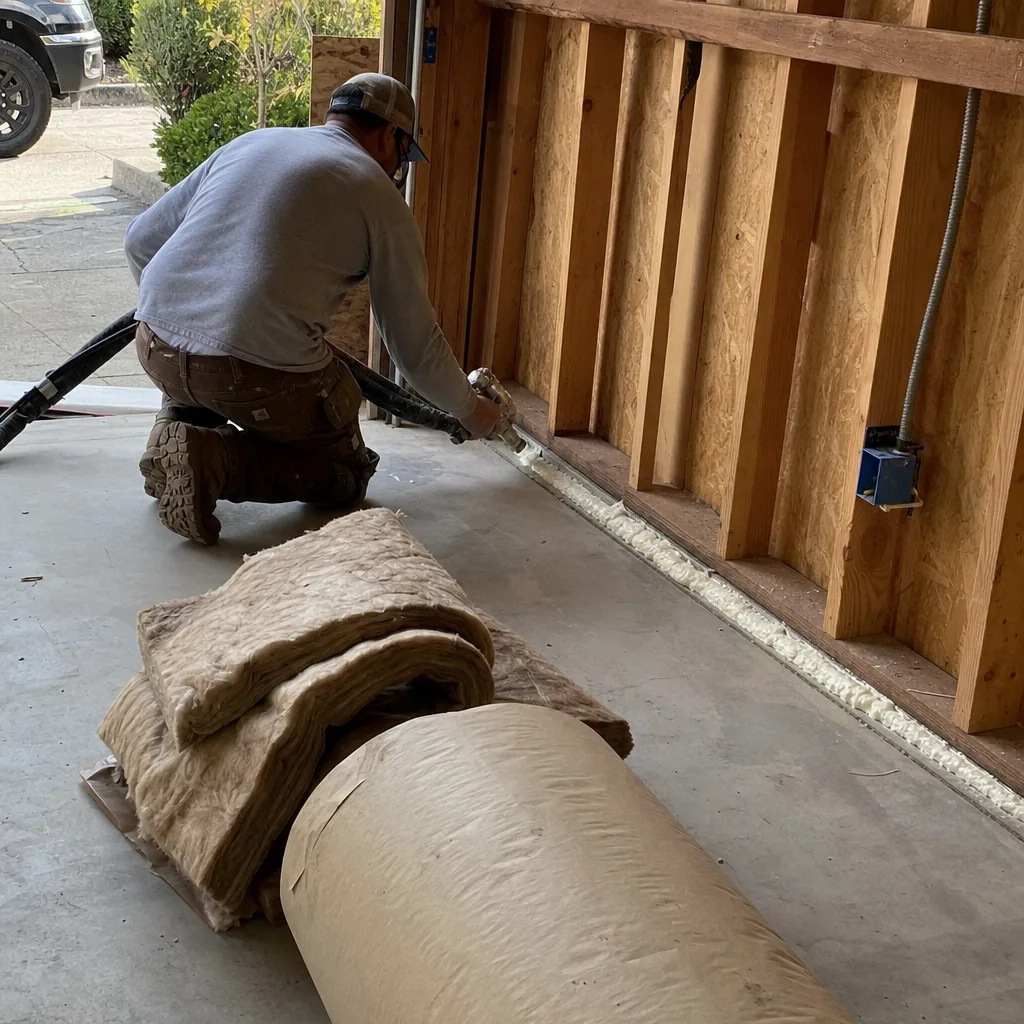
Call a design-build professional when your project involves hillside lots, non-conforming setbacks, RSO-covered properties, or any prefab/modular system. These scenarios multiply documentation requirements and inspection complexity beyond what a homeowner can reasonably track while maintaining a full-time job.
Ellery ADU Studio Westchester offers free estimates in Westchester - call (213) 698-7591. We also provide a Free Second Opinion on any written estimate already in hand, with specific attention to whether the scope includes the permit-phase documentation and post-occupancy compliance tracking this checklist describes. If your current proposal doesn’t name the LADBS forms you’ll receive, ask why.
Frequently Asked Questions
From complete application to permit issuance, LADBS plan check for Westchester ADUs typically runs 6-10 weeks for standard projects, assuming one correction cycle. Complex projects with hillside lots, variances, or non-conforming conditions may extend to 14-16 weeks. Call (213) 698-7591 for a project-specific timeline based on your ZIMAS profile.
Garage conversion ADUs in Westchester typically run $85,000-$165,000 all-in, drawings through final inspection. New detached ADUs typically range $185,000-$340,000 depending on size, foundation type, and utility extensions. Every project is quoted with a written price before any work begins, per Haven Standard Clause 1. Call (213) 698-7591 for an exact quote - estimates are free.
No. Under Haven Standard Clause 5 (No Surprises), the scope and price are locked at contract signing. The only price changes permitted are homeowner-initiated change orders with written approval, or concealed conditions discovered during construction that no reasonable inspection could have revealed - and even then, we document with photos and written explanation before proceeding. We’ve maintained this on 900+ projects since 2015.
We pull all permits as part of our design-build contract. The permit set is our core product, not an afterthought. You receive copies of all applications, correction responses, and approvals through our project portal, but we handle LADBS interaction directly. This eliminates the designer-versus-builder blame gap that derails most ADU projects.
Keep the Certificate of Occupancy, final approved permit set, inspection records, soils report, and lien releases permanently. These prove legal construction status for any future sale, refinance, or insurance claim. Product warranties and change orders can be purged after 10 years. Our documented photo record on every visit becomes part of your permanent archive.
Not necessarily. California law prohibits cities from requiring separate utility meters for ADUs, though they may require separate shut-off valves for safety. In practice, most Westchester detached ADUs benefit from separate electrical meters for tenant billing clarity, but shared water meters with documented allocation formulas are common. We evaluate this during design based on your specific utility configuration and rental plans.
LADBS can issue a duplicate for a fee, but processing takes 2-4 weeks and requires a records search that may not locate older files immediately. We recommend scanning and backing up your CO to cloud storage the day you receive it. In our experience, homeowners who need a replacement are usually in a time-sensitive transaction. Prevention is simpler than cure.
The Bottom Line
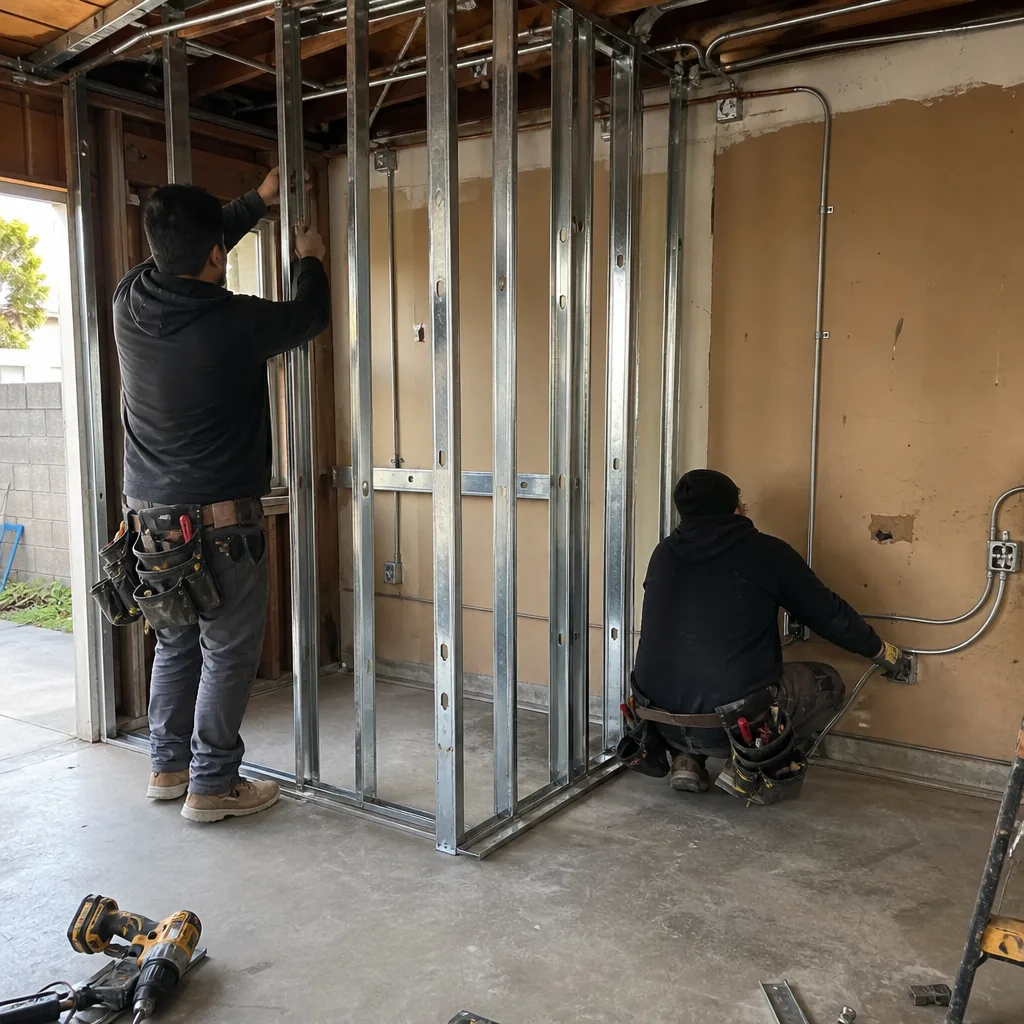
An ADU is a six-figure asset that requires active documentation management across three phases: permit, construction, and post-occupancy. The homeowners who protect their investment are not those who built the most expensive unit, but those who retained the records that prove it was built legally, inspected properly, and maintained in compliance. In Westchester’s competitive real estate market, that documentation difference frequently translates to faster sales, better refinance terms, and eliminated liability. Start with the checklist, maintain it annually, and verify that your design-build partner’s contract specifies who owns each documentation obligation. Explore more guides & resources for ongoing ADU compliance support.
Written by Nadia Ellery, Owner at Ellery ADU Studio Westchester, serving Westchester since 2015.